
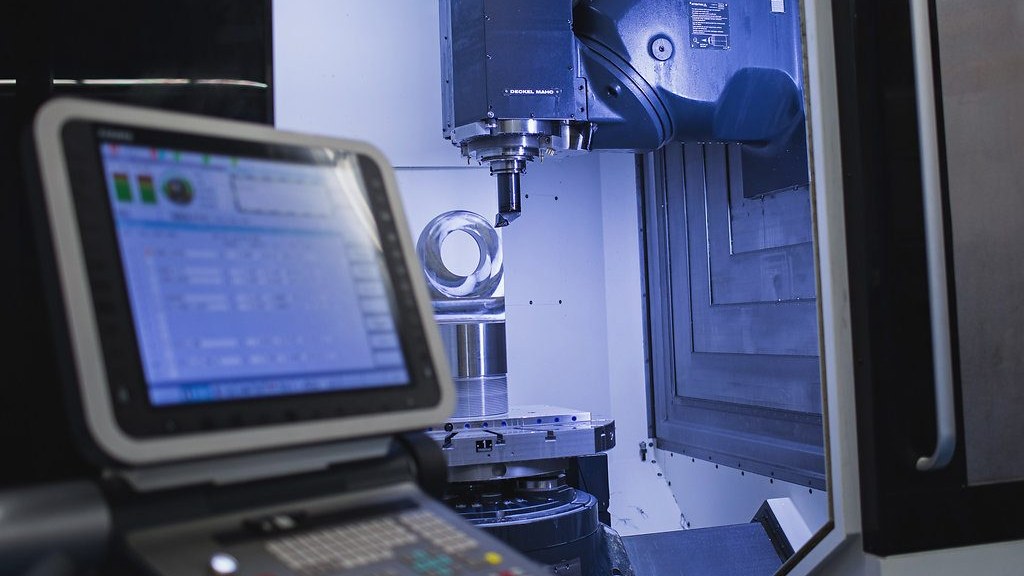
Why a perfect CAM program is only the first step, and what it takes to turn it into a good part, every time.
By Boris Soldo, founder of shopGURU. 32 years in precision metalcutting, and the builder and former owner of an AS9100 CNC shop.
The most expensive gap in machining is not on the machine. It is between the screen and the spindle.
Our industry has spent a decade perfecting the virtual side of the job. CAD, CAM, toolpath simulation, digital twins. On the screen, the part is already made. The program runs clean, the simulation is green, and everything looks perfect.
Then it reaches the floor, and reality starts asking questions the program never answered.
The machine does not run your CAM file
This is the part people forget. The machine never sees your CAM model. It runs post-processed G-code, in a real setup, with a real person standing in front of it. Simulation verifies the toolpath. It does not run the job. Everything that happens between “program complete” and “good part in the bin” lives somewhere the program cannot reach.
A CAM system is excellent at what it was built for. It proves the cutter can get where it needs to go without crashing. But a verified toolpath is not a finished part, and the distance between the two is where shops quietly lose money every single day.
What the program never carries to the floor
Walk any good program out to the machine and watch everything it leaves unsaid.
How the part is actually held. The program assumes the part is simply there, in space, perfectly located. The operator has to make that true. The fixture, the soft jaws, the stops, the parallels, how you indicate it in and how hard you clamp a thin-walled part so you hold it without distorting it. None of that is in the toolpath, and all of it decides whether the first part is good or scrap.
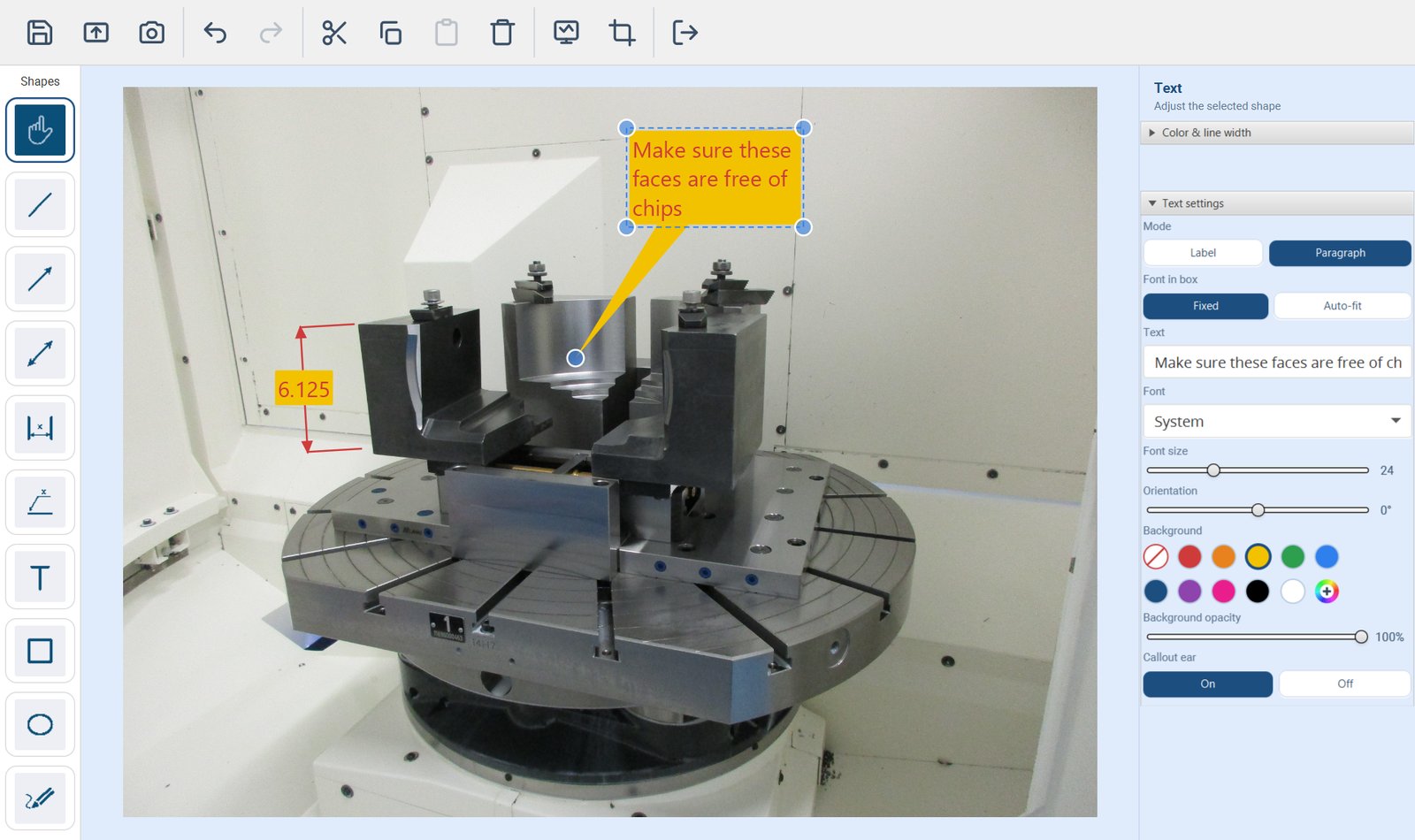
How the tool is actually built. CAM assumes a perfect tool at a perfect length. The floor has to build the real one. The right holder, the right collet, the actual stickout, the assembly that gives you reach without giving up rigidity. Get the stickout wrong and the program that simulated beautifully will chatter a wall to death.
The real order of operations. Load, probe, check, run, flip, deburr, re-fixture. The sequence a human actually follows through a job, including the small steps between operations, rarely lives anywhere but in the setter’s head.
What to inspect, and when. The program will happily cut all day without ever telling the operator to stop and measure. First article, in-process checks, the two or three features that actually matter for the customer. Knowing when to pause and verify is judgment, not code.
Deburring, cleaning, and finishing. None of it is in the toolpath. All of it is in the part the customer receives. A missed edge break or a burr in a bore is a reject no matter how perfect the cut was.
The hard-won tricks. The clamp you back off before the second operation so the part can relax. The feed you ease up on near a thin section. The order you tighten things so nothing walks. This is the knowledge that separates a part that runs and a part that fights you, and it was almost always learned the hard way and written down nowhere.
Marking, revision, and traceability. Which part is which. What serial. What revision of the print. The program does not care. Your customer, and your quality system, care about nothing more.
None of that is in the program. In most shops, it lives in one or two people’s heads.
And that knowledge is walking out the door
This is what makes the gap urgent rather than just annoying. The U.S. Bureau of Labor Statistics projects about 30,000 openings for machinists and tool and die makers every year through 2035, most of them simply to replace people leaving the trade. When a veteran setter retires or moves on, the shop does not just lose a pair of hands. It loses the judgment, the setup knowledge, and the troubleshooting instinct that took decades to build, and that was never written down.
A shop that runs on tribal knowledge is a shop with a handful of single points of failure walking around on the floor. When one of them is out, or gone, the jobs they knew get slower, less certain, and more expensive overnight.
Closing the gap: connect the virtual part to the real one
The answer is not a better program. CAM is already very good. The answer is a way to carry everything the program leaves out to the machine, in a form the operator will actually use, so the knowledge lives in the job instead of in a person.
That is what shopGURU does.
It lives right at the machining center, on the screen and on a tablet, where the work happens. It holds the workholding, photographed and marked up so the setup is unmistakable. It holds the tooling, with printed labels so the right tool gets loaded with no mix-ups. It puts the 3D model of the part in the operator’s hands, a true representation instead of a flat print. It builds inspection into the flow, with steps that make the operator stop and enter the measurement before the job can move on. And it carries every downstream process, assembly, deburring, testing, packing, all the way to the final step that captures the serial number of the finished part for full traceability.
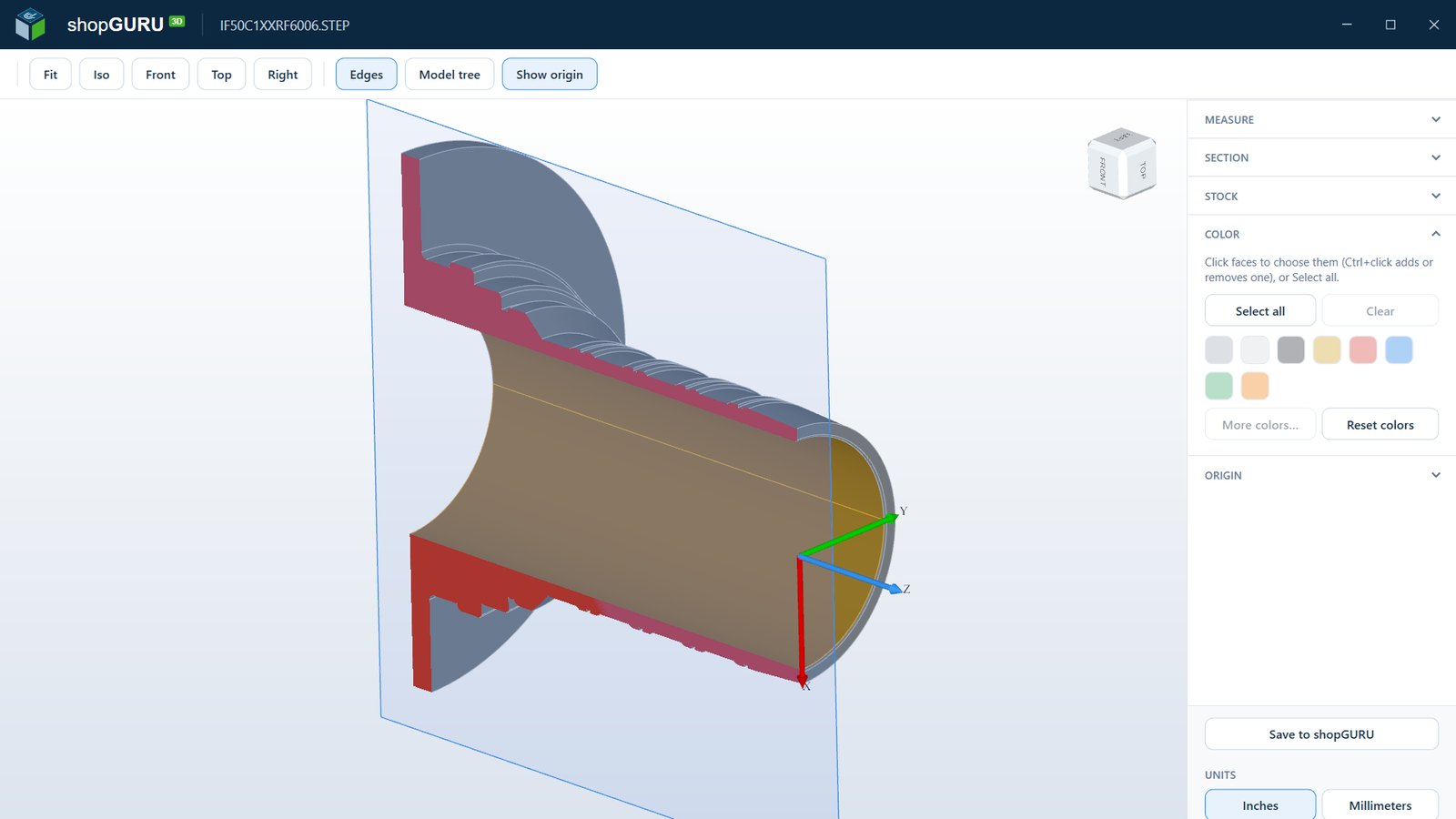
The program designs the cut. shopGURU makes sure the part actually gets built right, by anyone, every time, and it keeps the knowledge in the shop even when the person who had it is not there.
What that is worth
This is not theory. Manufacturers who move their floor knowledge into digital work instructions see it show up in the numbers. Published case studies report results like 30 percent less rework and up to 60 percent fewer quality complaints, along with faster onboarding of new people, because a new hire is following the same proven job the veteran would have run.
Less scrap. Fewer rejects. Setups that do not depend on one person being in the building. That is the return on closing the gap between the screen and the spindle.
Not ready to talk yet? See what closing the gap is worth for your shop with the ROI calculator.
CAD designs the part. CAM programs how to cut it. shopGURU makes sure it gets built right, by anyone, every time.
Sources: Modern Machine Shop, When CAM-Integrated Simulation Isn't Enough · U.S. Bureau of Labor Statistics, Machinists and Tool and Die Makers · Azumuta, Navtech Radar case study · Azumuta, Reynders case study
More from shopGURU
- Small Shop, Big UpgradeMarch 9, 2026
- Boosting Efficiency in Machine Shops with shopGURU: A Tailored SolutionApril 30, 2024
- CNC Machining Setup Software: Increase Production & Cut Setup TimeAugust 12, 2021